Showing posts with label psychology. Show all posts

mbti
 

The Myers-Briggs Type Indicator (MBTI) is a personality test that divides people into 16 different personality types. The test is based on four dichotomies, or pairs of opposite preferences:

  • Extraversion (E) vs. Introversion (I)
  • Sensing (S) vs. Intuition (N)
  • Thinking (T) vs. Feeling (F)
  • Judging (J) vs. Perceiving (P)

Each person's MBTI type is a four-letter code that represents their preferences on each of these dichotomies. For example, an ISTJ is someone who prefers introversion, sensing, thinking, and judging.


The MBTI is a popular tool for self-discovery and career development. It can also be used to improve communication and teamwork.


The 16 MBTI Personality Types

Each of the 16 MBTI personality types has its own unique set of characteristics. Here is a brief overview of each type:

#1. ISTJ: The Logistician

ISTJ

ISTJs are practical and down-to-earth. They are detail-oriented and organized. They are also reliable and dependable. ISTJs are often drawn to careers in business, engineering, or law.


#2. ISFJ: The Defender

ISFJ

ISFJs are kind and caring. They are loyal and supportive friends and family members. They are also conscientious and responsible. ISFJs are often drawn to careers in healthcare, education, or social work.


#3. INFJ: The Advocate

INFJ

INFJs are idealistic and compassionate. They are deeply interested in people and their motivations. They are also creative and imaginative. INFJs are often drawn to careers in counseling, teaching, or writing.


#4. INTJ: The Architect

INTJ

INTJs are intelligent and analytical. They are good at solving problems and seeing patterns. They are also independent and self-sufficient. INTJs are often drawn to careers in science, technology, or mathematics.


#5. ISTP: The Craftsman

ISTP

ISTPs are hands-on and practical. They are good at fixing things and solving problems. They are also independent and resourceful. ISTPs are often drawn to careers in engineering, mechanics, or construction.


#6. ISFP: The Artist

ISFP

ISFPs are creative and expressive. They are good at appreciating beauty and living in the moment. They are also kind and compassionate. ISFPs are often drawn to careers in art, music, or dance.


#7. INFP: The Mediator

INFP

INFPs are idealistic and compassionate. They are good at understanding others and resolving conflicts. They are also creative and imaginative. INFPs are often drawn to careers in counseling, social work, or teaching.


#8. INTP: The Thinker

INTP

INTPs are intelligent and analytical. They are good at solving problems and seeing patterns. They are also independent and self-sufficient. INTPs are often drawn to careers in science, technology, or mathematics.


#9. ESTJ: The Executive

ESTJ

ESTJs are practical and efficient. They are good at organizing and managing people and resources. They are also decisive and assertive. ESTJs are often drawn to careers in business, management, or law enforcement.


#10. ESFJ: The Provider

esfj

ESFJs are kind and caring. They are good at providing for others and creating a sense of harmony. They are also loyal and supportive friends and family members. ESFJs are often drawn to careers in healthcare, education, or customer service.


#11. ENFJ: The Giver

enfj

ENFJs are idealistic and compassionate. They are good at understanding and motivating others. They are also charismatic and inspiring. ENFJs are often drawn to careers in counseling, teaching, or politics.


#12. ENTJ: The Commander


ENTJs are intelligent and analytical. They are good at solving problems and making decisions. They are also decisive and assertive. ENTJs are often drawn to careers in business, management, or law.


#13. ESTP: The Promoter

estp

ESTPs are hands-on and practical. They are good at taking risks and seizing opportunities. They are also independent and resourceful. ESTPs are often drawn to careers in sales, marketing, or entrepreneurship.


#14. ESFP: The Entertainer

esfp

ESFPs are creative and expressive. They are good at enjoying life and living in the moment. They are also kind and compassionate. ESFPs are often drawn to careers in entertainment, fashion, or hospitality.


#15. ENTP: The Visionary

entp

ENTPs are intelligent and creative. They are good at coming up with new ideas and solving problems in innovative ways. They are also independent and resourceful. ENTPs are often drawn to careers in science, technology, or business.


#16. ENFP: The Champion

enfp

ENFPs are idealistic and passionate. They are good at motivating and inspiring others. They are also creative and expressive. ENFPs are often drawn to careers in counseling, teaching, or social work.


Understanding Your MBTI Type

Understanding your MBTI type can help you to better understand yourself and your strengths and weaknesses. It can also help you to choose careers and relationships that are a good fit for your personality.


Here are some tips for understanding your MBTI type:

  • Take a reputable MBTI test. There are many different MBTI tests available online, but not all of them are created equal. Make sure to choose a test that is administered by a reputable organization.
  • Read about your MBTI type. Once you have taken a test, read about your MBTI type online or in a book. This will help you to learn more about the characteristics of your type and how it affects your personality.
  • Talk to people who know you well. Ask your friends, family, and coworkers what they think your MBTI type is. Their insights can help you to get a better understanding of your own personality.


Using Your MBTI Type to Your Advantage

Once you understand your MBTI type, you can start to use it to your advantage. Here are some tips for using your MBTI type to your advantage:

  • Play to your strengths. Focus on the areas where your MBTI type gives you an advantage. For example, if you are an ISTJ, you might be good at organizing and managing people and resources.
  • Be aware of your weaknesses. Don't try to change your personality type, but be aware of your weaknesses and work on improving them. For example, if you are an INFP, you might be shy and introverted. You can work on becoming more outgoing and assertive.
  • Choose careers and relationships that are a good fit for your personality. When you are choosing a career or a relationship, look for something that is a good fit for your MBTI type. For example, if you are an ESTP, you might be good at sales or marketing.


Conclusion

The MBTI is a valuable tool for self-discovery and career development. It can also be used to improve communication and teamwork. By understanding your MBTI type, you can better understand yourself and your strengths and weaknesses. You can also use your MBTI type to choose careers and relationships that are a good fit for your personality.

To find out the MBTI personality type, you can try the following test:


Free Personality Test | 16Personalities


Here is a table summarizing the 16 MBTI personality types:

Here is a table summarizing the 16 MBTI personality types:

Type Description Careers
ISTJ The Logistician Business, engineering, law
ISFJ The Defender Healthcare, education, social work
INFJ The Advocate Counseling, teaching, writing
INTJ The Architect Science, technology, mathematics
ISTP The Craftsman Engineering, mechanics, construction
ISFP The Artist Art, music, dance
INFP The Mediator Counseling, social work, teaching
INTP The Thinker Science, technology, mathematics
ESTJ The Executive Business, management, law enforcement
ESFJ The Provider Healthcare, education, customer service
ENFJ The Giver Counseling, teaching, politics
ENTJ The Commander Business, management, law
ESTP The Promoter Sales, marketing, entrepreneurship
ESFP The Entertainer Entertainment, fashion, hospitality

Introduction

Living in a toxic environment can be detrimental to our mental health. Whether it's a toxic workplace, a toxic relationship, or a toxic family environment, it can be challenging to cope with the constant negativity and toxicity. However, there are ways to cope and improve our mental health despite these circumstances. Here are 10 effective strategies for coping with a toxic environment and improving your mental health.


#1. Identify the toxicity

The first step in coping with a toxic environment is to identify the source of the toxicity. This could be a person, a situation, or an environment. Once you have identified the source, you can begin to take steps to address it.


#2. Set boundaries

Setting boundaries is essential when dealing with a toxic environment. It's important to establish what is and isn't acceptable behavior and communicate this clearly to others. This could involve limiting contact with toxic individuals or avoiding certain situations altogether.


#3. Focus on self-care

Self-care is crucial for improving mental health in a toxic environment. This could involve getting enough sleep, eating well, exercising, and engaging in activities that bring joy and fulfillment.


#4. Surround yourself with positive people

Surrounding yourself with positive and supportive people can help counteract the effects of a toxic environment. Seek out friends, family members, or colleagues who uplift and inspire you.


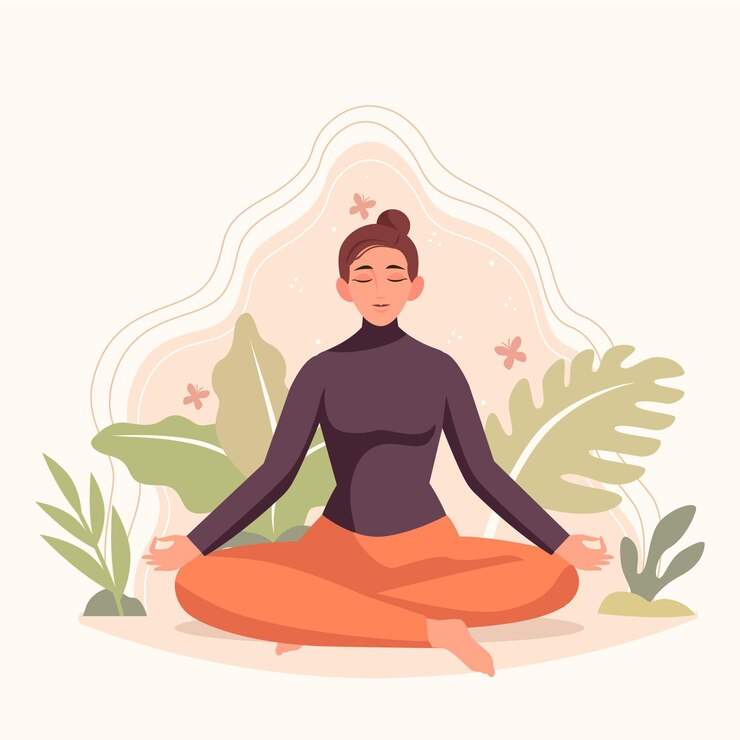
#5. Practice mindfulness and meditation

Practicing mindfulness and meditation can help you stay centered and calm in the face of negativity. This could involve taking a few deep breaths, focusing on the present moment, or meditating regularly.


#6. Learn to say no

Learning to say no is an essential skill when dealing with a toxic environment. This could involve saying no to social engagements or work-related tasks that you feel are too much to handle.


#7. Seek professional help

If you're struggling to cope with a toxic environment, it's essential to seek professional help. This could involve speaking to a therapist or counselor who can provide support and guidance.


#8. Engage in physical activity

Engaging in physical activity can help release stress and improve mood. This could involve going for a walk, practicing yoga, or hitting the gym.


#9. Practice gratitude

Practicing gratitude can help shift your focus away from negativity and towards the positive aspects of your life. This could involve keeping a gratitude journal or simply taking a few minutes each day to reflect on what you're thankful for.


#10. Find a creative outlet

Engaging in a creative activity can help relieve stress and improve mental health. This could involve writing, painting, or playing music.


Conclusion

In conclusion, coping with a toxic environment can be challenging, but there are effective strategies for improving mental health despite these circumstances. By identifying the toxicity, setting boundaries, focusing on self-care, surrounding yourself with positive people, practicing mindfulness and meditation, learning to say no, seeking professional help, engaging in physical activity, practicing gratitude, and finding a creative outlet, you can improve your mental health and overall well-being.


FAQs

What is a toxic environment?

A toxic environment refers to a situation or environment that is emotionally or psychologically harmful to an individual.

What are some common signs of a toxic environment?

Common signs of a toxic environment include negativity, criticism, bullying, and lack of support.

How can I identify the source of toxicity in my environment?

Identifying the source of toxicity in your environment involves taking a step back and reflecting on what or who is causing you stress and negativity. It may be helpful to journal your thoughts and emotions or speak to a trusted friend or therapist to gain perspective.

What if the source of toxicity is someone I can't avoid, such as a family member or coworker?

If the source of toxicity is someone you can't avoid, setting clear boundaries and communicating your needs and limits can be helpful. Additionally, seeking support from others or a therapist can help you navigate these difficult relationships.

Can practicing these strategies really improve my mental health in a toxic environment?

Yes, practicing these strategies can improve your mental health by helping you to cope with the stress and negativity of a toxic environment. It's important to remember that change may not happen overnight, but with consistent effort, you can improve your well-being despite challenging circumstances.


In our fast-paced and ever-connected world, stress has become a ubiquitous part of our lives. Chronic stress can lead to a range of health problems, both physical and mental. Fortunately, meditation has been proven to be a highly effective tool for managing stress and promoting overall well-being. In this article, we will explore ten benefits of meditation that can help you manage stress and improve your quality of life.


Introduction

Stress is a natural part of life, but chronic stress can lead to a range of physical and mental health problems. Meditation is a practice that has been used for thousands of years to promote relaxation, reduce stress, and improve overall well-being. In recent years, meditation has gained popularity as a tool for managing stress and improving health. In this article, we will explore ten benefits of meditation that can help you manage stress and improve your quality of life.


What is Meditation?

Meditation is a practice that involves focusing your mind on a particular object, thought, or activity. It can be done in a variety of ways, such as sitting in silence, focusing on your breath, repeating a mantra, or engaging in a guided visualization. The goal of meditation is to quiet your mind and reduce the distractions and stresses of daily life.


Benefits of Meditation for Stress Relief and Well-Being

#1. Reduces Anxiety

Anxiety is a common mental health problem that affects millions of people around the world. Studies have shown that meditation can be an effective tool for reducing anxiety symptoms. In one study, participants who practiced meditation for just eight weeks experienced a significant reduction in anxiety symptoms.


#2. Improves Sleep

Sleep is essential for good health, but many people struggle with insomnia or other sleep disorders. Meditation can be an effective tool for improving sleep quality and reducing insomnia symptoms. A study of older adults found that those who practiced mindfulness meditation experienced significant improvements in sleep quality.


#3. Enhances Emotional Well-Being

Meditation can be a powerful tool for improving emotional well-being. Studies have shown that meditation can help reduce symptoms of depression and improve overall mood. In one study, participants who practiced meditation for eight weeks reported a significant improvement in their overall emotional well-being.


#4. Boosts Immune System

The immune system plays a crucial role in protecting the body against illness and disease. Meditation has been shown to boost the immune system by increasing the activity of natural killer cells, which are responsible for fighting off viruses and other harmful pathogens.


#5. Reduces Chronic Pain

Chronic pain is a common problem that can be difficult to treat. Meditation has been shown to be an effective tool for reducing chronic pain symptoms. In one study, participants who practiced mindfulness meditation for six months experienced a significant reduction in pain intensity.


#6. Increases Self-Awareness

Meditation can help you develop a greater sense of self-awareness and understanding. By quieting your mind and focusing on your thoughts and emotions, you can gain a better understanding of your own thought patterns and behaviors.


#7. Enhances Cognitive Functioning

Meditation has been shown to enhance cognitive functioning by improving attention, memory, and decision-making abilities. In one study, participants who practiced mindfulness meditation for just four days showed significant improvements in cognitive performance.


#8. Promotes Compassion and Kindness

Meditation can also help promote feelings of compassion and kindness towards others. Studies have shown that regular meditation practice can increase activity in brain regions associated with empathy and compassion, leading to more positive social interactions and relationships.


#9. Reduces Blood Pressure

High blood pressure is a common health problem that can increase the risk of heart disease and stroke. Meditation has been shown to be an effective tool for reducing blood pressure in people with hypertension. In one study, participants who practiced transcendental meditation for eight weeks experienced significant reductions in both systolic and diastolic blood pressure.


#10. Improves Overall Well-Being

Meditation can have a profound impact on overall well-being by reducing stress, promoting relaxation, and improving physical and mental health. Regular meditation practice has been shown to improve quality of life, increase feelings of happiness and well-being, and improve overall life satisfaction.


Conclusion

Meditation is a powerful tool for managing stress and improving overall well-being. By reducing anxiety, improving sleep, enhancing emotional well-being, boosting the immune system, reducing chronic pain, increasing self-awareness, enhancing cognitive functioning, promoting compassion and kindness, reducing blood pressure, and improving overall well-being, meditation can have a profound impact on your physical and mental health. Whether you are new to meditation or an experienced practitioner, incorporating regular meditation practice into your daily routine can help you lead a happier, healthier life.


FAQs

What is the best type of meditation for stress relief?

There are several types of meditation that can be effective for stress relief, including mindfulness meditation, transcendental meditation, and loving-kindness meditation. It is important to find a type of meditation that works best for you and your individual needs.

How often should I meditate to experience the benefits?

The frequency of meditation practice can vary depending on individual needs and preferences. However, research suggests that practicing meditation for at least 10-20 minutes per day can help to reduce stress and improve overall well-being.

Can meditation help with chronic pain?

Yes, meditation has been shown to be effective in reducing chronic pain. By increasing self-awareness and promoting relaxation, meditation can help individuals better manage their pain and improve their quality of life.

Is it normal to have difficulty focusing during meditation?

Yes, it is normal to have difficulty focusing during meditation, especially when you are first starting out. However, with regular practice, you can learn to improve your focus and concentration during meditation.

Can meditation be used as a treatment for depression?

Meditation has been shown to be an effective complementary treatment for depression, but it should not be used as a sole treatment for individuals with severe depression. It is important to consult with a healthcare professional to determine the best course of treatment for depression.


Do you believe that your abilities are fixed and cannot be changed? Or do you think that you can improve your skills and intelligence with effort and persistence? If you answered yes to the second question, then congratulations! You have what is called a growth mindset. And if you answered yes to the first question, don't worry. You can still develop a growth mindset with some practice and guidance.


What is a Growth Mindset?

A growth mindset is a term coined by Stanford psychologist Carol Dweck and her colleagues to describe the belief that one's capacities and talents can be improved over time. People with a growth mindset embrace challenges, stay resilient in the face of difficulties, learn from constructive criticism and seek out inspiration in others' success. They view failures not as indicators of their lack of ability, but as opportunities for learning and growth.

A growth mindset contrasts with a fixed mindset, which is the belief that one's abilities are innate and cannot be meaningfully developed. People with a fixed mindset avoid challenges, give up easily when faced with obstacles, ignore or reject feedback and feel threatened by others' achievements. They tend to attribute their successes or failures to their inherent traits rather than their efforts or strategies.

According to Dweck's research, having a growth mindset can lead to better academic performance, higher motivation, greater self-esteem, more creativity and more positive emotions. A growth mindset can also help people overcome setbacks and achieve their personal and professional goals.


How to Develop a Growth Mindset

While some people may naturally have more of a growth mindset than others, anyone can cultivate it with some practice and guidance. Here are some tips on how to develop a growth mindset:


#1. Change your self-talk

The way you talk to yourself can have a powerful impact on your beliefs and behaviors. Instead of using fixed-mindset statements such as "I'm not good at this" or "I always fail at that", use growth-mindset statements such as "I can learn how to do this" or "I can improve with more practice". Replace words like "can't" or "never" with words like "not yet" or "not now". Challenge yourself to see problems as puzzles rather than threats.


#2. Embrace challenges

Instead of avoiding tasks that are difficult or unfamiliar, seek them out as opportunities for learning and growth. Don't be afraid of making mistakes or failing; they are part of the process. Remember that success is not about being perfect; it's about being persistent. Celebrate your efforts rather than your outcomes.


#3. Seek feedback

Instead of ignoring or rejecting criticism, welcome it as valuable information for improvement. Don't take feedback personally; see it as an objective assessment of your performance. Ask for specific suggestions on how you can do better next time. Learn from others who have achieved what you want to achieve; ask them for advice or mentorship.


#4. Adopt new strategies

Instead of sticking to the same methods that worked for you before, experiment with different approaches that might work better for you now. Don't be afraid of changing your mind or admitting that you were wrong; that's how you grow. Be flexible and adaptable; try new things until you find what works best for you.


#5. Celebrate others' success

Instead of feeling threatened by others who are more skilled or successful than you, admire them and learn from them. Don't compare yourself negatively with others; compare yourself positively with your past self. Recognize that everyone has different strengths and weaknesses; appreciate diversity rather than envy it.


Conclusion

Having a growth mindset means believing that you can improve your abilities with effort and persistence. It also means embracing challenges, seeking feedback, adopting new strategies and celebrating others' success. By cultivating a growth mindset, you can enhance your performance, motivation, self-esteem, creativity and happiness. You can also overcome setbacks and achieve your goals more effectively.


Q: What is a growth mindset?

A growth mindset is the belief that you can develop your abilities and skills through effort, learning, and feedback. It is opposed to a fixed mindset, which assumes that your talents and intelligence are fixed and cannot be changed.

Q: Why is a growth mindset important for achieving your goals?

A growth mindset helps you overcome challenges, embrace failures as opportunities to learn, and persist in the face of obstacles. It also motivates you to seek feedback, try new strategies, and improve yourself continuously. These are all essential qualities for achieving your goals.

Q: How can I develop a growth mindset?

There are many ways to cultivate a growth mindset, such as: - Identifying your own mindset and challenging any fixed beliefs you may have about yourself or others - Focusing on your progress rather than perfection - Celebrating your efforts and small wins rather than your outcomes - Seeking feedback and learning from it - Using the word "yet" when you face something difficult or unfamiliar (e.g., "I can't do this yet" instead of "I can't do this") - Learning something new every day - Making mistakes and experimenting with different approaches - Being kind to yourself and avoiding self-criticism

Q: What are some examples of growth mindset statements?

Some examples of growth mindset statements are: - I can learn anything I want to - Challenges help me grow - Feedback helps me improve - Mistakes are part of learning - I can always improve my skills - Effort leads to success


Positive affirmations are an incredibly powerful tool that can help you unleash your full potential and lead a better life. They are simple statements that you repeat to yourself on a daily basis, with the aim of transforming your negative thoughts and beliefs into positive ones. With time, these positive affirmations can have a profound impact on your self-esteem, confidence, and overall well-being.


What are Positive Affirmations?

Positive affirmations are short, powerful statements that you repeat to yourself, either out loud or silently in your mind. They are designed to replace negative thoughts and beliefs with positive ones, and help you focus on your strengths, abilities, and personal values. They can be anything from simple, one-word affirmations, such as “relax,” to more complex, multi-word affirmations, such as “I am capable, confident, and deserving of success.”


The Science Behind Positive Affirmations

The science behind positive affirmations is rooted in the concept of neuroplasticity, which is the idea that our thoughts and beliefs can shape and reshape our brain. When you repeat positive affirmations to yourself, you are training your brain to focus on positive thoughts, which in turn can help to rewire your brain and create new neural pathways.

Additionally, positive affirmations can help to reduce stress and anxiety, improve your self-esteem and confidence, and boost your overall well-being. They work by providing your brain with a positive narrative to focus on, instead of the negative thoughts and beliefs that can often hold you back.


How to Use Positive Affirmations

The key to using positive affirmations effectively is to be consistent and persistent. Repeat your affirmations to yourself several times a day, either out loud or silently in your mind. Try to choose affirmations that resonate with you, and make sure to focus on the present tense. For example, instead of saying, “I will be successful,” say, “I am successful.”

It’s also important to be patient and persistent. Positive affirmations can take time to work, so it’s important to stick with them and give them a chance to make a positive impact on your life.


Examples of Positive Affirmations

Here are some examples of positive affirmations that you can use to help transform your negative thoughts and beliefs into positive ones:

  • I am worthy and deserving of love and happiness
  • I am capable and confident
  • I am in control of my thoughts and emotions
  • I choose to focus on the positive in every situation
  • I am strong and resilient


Conclusion

In conclusion, positive affirmations are a powerful tool that can help you transform your negative thoughts and beliefs into positive ones, and lead a better life. By repeating positive affirmations to yourself on a daily basis, you can train your brain to focus on the positive and improve your self-esteem, confidence, and overall well-being. So, start using positive affirmations today, and see the positive impact they can have on your life!


Written by: Azhar, I


Stress and anxiety are common problems faced by people in today's fast-paced world. While it is normal to feel stressed or anxious at times, when it becomes chronic, it can lead to serious health problems, including depression and other mental health issues. In this article, we will discuss natural ways to manage stress and anxiety so that you can lead a healthy and fulfilling life.


Understanding Stress and Anxiety

Stress is a natural response to a perceived threat or challenge. It is the body's way of preparing itself for action. This can be a positive thing when it helps you deal with difficult situations, but when it becomes chronic, it can have a negative impact on your health.

Anxiety is a feeling of worry, nervousness or unease about something with an uncertain outcome. It can be a normal reaction to stress, but when it becomes excessive, it can interfere with daily activities.


The Benefits of Natural Stress and Anxiety Management Techniques

There are many benefits to managing stress and anxiety naturally. Natural methods are often safer, more affordable and more accessible than prescription medications. They can also help you develop healthy coping mechanisms that you can use for the rest of your life. In addition, natural methods of stress and anxiety management can help improve overall physical and mental health, increase energy levels, improve sleep and boost the immune system.


Simple Lifestyle Changes to Reduce Stress and Anxiety

Making simple changes to your lifestyle can help reduce stress and anxiety. Here are a few things you can do:

  1. Exercise regularly: Regular exercise can help reduce stress and anxiety, as well as improve your overall health. Try to exercise for at least 30 minutes a day, 5 days a week.
  2. Get enough sleep: Sleep is important for both physical and mental health. Try to get at least 7-8 hours of sleep a night.
  3. Eat a healthy diet: A healthy diet can help reduce stress and anxiety, as well as improve overall health. Try to eat a balanced diet that includes plenty of fruits, vegetables, whole grains and lean proteins.
  4. Limit alcohol and caffeine: Alcohol and caffeine can both contribute to stress and anxiety. Try to limit your consumption of these substances.
  5. Practice mindfulness: Mindfulness is a technique that helps you become more aware of the present moment and can help reduce stress and anxiety. Try to practice mindfulness for a few minutes each day.


Natural Remedies for Stress and Anxiety

In addition to lifestyle changes, there are many natural remedies that can help reduce stress and anxiety. Here are a few to try:

  1. Herbs and supplements: Herbs and supplements, such as valerian root, kava, passionflower and magnesium, can help reduce stress and anxiety.
  2. Essential oils: Essential oils, such as lavender, chamomile and bergamot, can help reduce stress and anxiety when used in aromatherapy.
  3. Acupuncture: Acupuncture is an ancient Chinese therapy that involves the insertion of thin needles into specific points on the body. It can help reduce stress and anxiety.
  4. Yoga and meditation: Yoga and meditation are both practices that can help reduce stress and anxiety by calming the mind and reducing physical tension.


Conclusion

Stress and anxiety can be difficult to deal with, but there are many natural ways to manage these problems. By making simple lifestyle changes and trying natural remedies, you can reduce stress and anxiety, and improve your overall health and well-being. Remember to seek help if you are feeling overwhelmed, as chronic stress and anxiety can have serious consequences for your health and quality of life.

It's important to find what works best for you and to make stress and anxiety management a part of your daily routine. Whether it's through exercise, mindfulness, natural remedies, or a combination of these, there are many effective ways to manage stress and anxiety naturally.

Additionally, finding healthy coping mechanisms, such as talking to a friend or loved one, journaling, or seeking professional help when necessary, can also be beneficial in reducing stress and anxiety levels.

Incorporating stress and anxiety management techniques into your daily routine can not only help you manage these problems more effectively, but also improve your overall physical and mental well-being. So, if you are struggling with stress and anxiety, consider trying some of the natural methods outlined in this article and take steps towards a healthier and more fulfilling life.


Written by: Azhar, I


Achieving success is a journey, not a destination. To get to where you want to be, you need to have a clear understanding of your goals and a plan for how to reach them. The science of goal setting can help you turn your dreams into reality. In this article, we will delve into the key principles of goal setting and provide you with a step-by-step guide for creating and achieving your goals.


What is the Science of Goal Setting?

The science of goal setting is a systematic approach to defining, planning, and achieving your goals. It involves a combination of psychology, neuroscience, and behavioral economics to help you achieve your desired outcome. By following the principles of goal setting, you can increase your chances of success and avoid common pitfalls.


The Benefits of Setting Goals

There are many benefits to setting goals. For starters, having clear, well-defined goals helps you to stay focused and motivated. When you know what you want to achieve, you can work towards it with purpose and determination. Additionally, setting goals helps you to measure your progress and stay on track. You can see how far you have come and what you still need to do to reach your destination. Finally, goal setting helps you to develop new skills and grow as a person. By working towards your goals, you can develop your abilities, gain new knowledge, and improve your overall well-being.


Key Principles of Goal Setting

To be successful in setting and achieving your goals, you need to understand the key principles of goal setting. These principles include:

  1. Clarity - Your goals must be clear and specific. This means that you need to have a clear understanding of what you want to achieve and how you plan to do it.
  2. Relevance - Your goals must be relevant to your life and your values. If your goals are not relevant to you, you are less likely to be motivated to work towards them.
  3. Measurement - Your goals must be measurable. This means that you need to have a way of tracking your progress and measuring your success.
  4. Deadlines - Your goals must have deadlines. This helps you to stay focused and motivated and ensures that you make progress towards your goals.
  5. Focus - Your goals must be focused. You should have a limited number of goals that you are working towards at any given time. Having too many goals can be overwhelming and make it difficult to achieve any of them.


Step-by-Step Guide to Setting and Achieving Your Goals

Now that you understand the key principles of goal setting, it's time to create your goals and start working towards them. Here's a step-by-step guide to help you get started:

  1. Define your goals - Start by defining your goals. Make sure that they are clear, specific, and relevant to your life.
  2. Make a plan - Once you have defined your goals, create a plan for how you will achieve them. This should include the steps you need to take, the resources you will need, and the timeline for each step.
  3. Take action - Start taking action towards your goals. Take small steps each day or each week to make progress.
  4.  Measure your progress - Regularly measure your progress towards your goals. This will help you to stay motivated and on track.
  5.  Celebrate your successes - As you achieve each goal, take time to celebrate your successes. This will help you to stay motivated and focused on your next goal.


Conclusion

The science of goal setting is a powerful tool that can help you turn your dreams into reality. By following the key principles of goal setting and using a step-by-step approach, you can increase your chances of success and achieve your desired outcome. Remember to be clear and specific about your goals, make a plan for how to reach them, take action, measure your progress, and celebrate your successes along the way.


Written by: Azhar, I